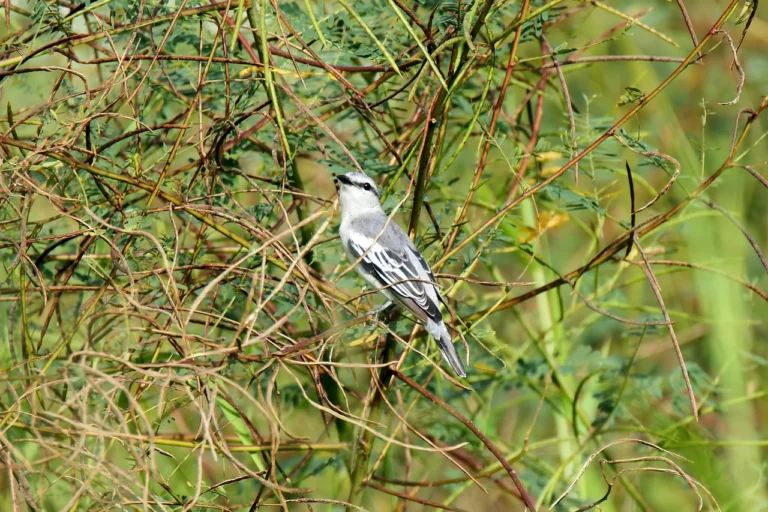
If you wake up to birds singing outside your window, you have probably wondered why they start so early. The answer is more interesting than you might think. Birds chirp at dawn for specific biological and survival reasons, not just because they feel like singing.
I have spent the last three years recording bird songs in different habitats around Pakistan and neighboring regions. What I learned is that every chirp, call, and song serves a clear purpose in how birds survive and reproduce.
This guide explains exactly why birds sing at dawn, which species sing first, and how you can observe this behavior yourself.
The 6 Main Reasons Birds Chirp at Dawn
Before looking at each reason in detail, it helps to understand that dawn singing is not caused by a single instinct. It reflects several of the birds’ fascinating behaviors shaped by biology, environment, and survival needs. Early morning offers quiet air, low light, and fewer distractions, allowing sound to travel farther and messages to remain clear.
Some reasons are tied to competition, others to reproduction, while some come from internal body clocks that birds cannot override. The sections below explain the six main reasons birds chirp at dawn, with examples and research to support each one:
Defending Their Territory
Birds use morning songs to tell other birds to stay away from their territory. This is especially important during breeding season when competition for nesting sites is high.
Research from the Cornell Lab of Ornithology shows that birds with stronger, more consistent dawn songs hold larger territories and face fewer intrusions from competitors.
Northern Cardinal Males start singing 30 minutes before sunrise, repeating their call up to 200 times per hour. Each song reminds neighboring cardinals where the boundary line is.
Studies on Song Sparrows show that males who sing more at dawn control territories that are 15 to 20 percent larger than those of less vocal males. Since singing uses a lot of energy, only healthy birds can keep up this level of vocal activity.
The intensity of territorial singing peaks in spring and early summer during the breeding season. Outside of breeding season, dawn singing drops significantly in most species.
Attracting Mates During Breeding Season
Male birds use their morning songs to impress potential mates. Female birds judge males based on song quality, variety, and how long they can sing. Research published in Animal Behaviour journal found that females prefer males who sing earlier in the morning and with more complex songs.
Northern Mockingbird Males can copy over 200 different sounds, including other bird species and even car alarms. Unmated males sometimes sing all night during peak breeding season. Once they find a mate, their singing decreases. This vocal ability is one reason mockingbirds are considered among the smartest birds in North America.
Why song quality matters? Singing takes significant energy and shows that a male is:
- In good physical condition
- Getting enough food from his territory
- Free from disease and parasites
- Has strong genes to pass to offspring
Studies on European Blackbirds prove this. Males with more complex songs have stronger immune systems and produce healthier chicks.
Responding to Their Internal Body Clock
Birds have precise internal clocks called circadian rhythms. These clocks respond to light levels and trigger hormones that make birds want to sing.
Research from the University of Illinois found that birds start singing when light levels reach 0.01 to 0.1 lux. This is much darker than what humans need to see clearly. This explains why birds start singing well before sunrise.
How hormones control singing? As light increases at dawn, it triggers several hormones:
- Testosterone increases in males during the breeding season, making them more territorial and vocal
- Melatonin decreases, waking them up
- Corticosterone rises, giving them energy for intense singing
Studies on Song Thrushes show testosterone levels can spike by 200 to 300 percent at dawn during breeding season. This directly matches when they sing the most.
Taking Advantage of Better Sound Quality
Dawn offers the best conditions for sound to travel far:
- Wind speeds are lowest, so sound does not get distorted
- Temperature inversions trap sound waves near the ground
- Background noise is minimal (no traffic, less insect noise)
- Higher humidity helps sound travel farther
Research using acoustic monitoring equipment shows that bird songs travel 20 times farther at dawn compared to midday in the same location. For birds like Eastern Meadowlarks that need to cover large grassland territories, this makes a huge difference.
Scientists measured how far bird calls travel:
- Dawn songs travel 200 to 500 meters in forests
- The same songs travel only 50 to 100 meters at midday
- In open grasslands, dawn songs can carry over 1 kilometer
This is why birds focus their vocal energy at dawn. They get maximum communication range for the effort. This timing plays a direct role in bird mating behavior, especially during breeding season, when males use long-distance songs to attract mates, advertise fitness, and compete with rivals across large areas.
Coordinating with Flock Members
For birds that live in groups, dawn calls work like a morning roll call. Species like European Starlings and American Crows use morning sounds to:
- Check that all flock members survived the night
- Plan where to forage together
- Strengthen social bonds
- Share information about food or danger
I have watched crow families near my observation sites do this every morning. They go back and forth with calls that researchers call “greeting ceremonies” before they split up to look for food. Crows demonstrate remarkable intelligence through these coordinated vocalizations.
Birds that nest in colonies, like Cliff Swallows, sing together at dawn. This group singing may:
- Scare off predators through combined noise
- Synchronize breeding cycles
- Establish who ranks higher without fighting
Making Use of Time Before They Can Hunt
Birds sing before they start looking for food because it is too dark to hunt efficiently. This is especially true for birds that eat insects and need good light to see their prey.
This is what we know as the waiting period strategy. Light levels at dawn are too low for good hunting. Instead of wasting energy searching for food they cannot see well, birds use this time for territory defense and attracting mates.
Research on European Robins shows they do not start actively hunting until light levels reach about 1 lux. This happens 15 to 30 minutes after they start singing. Studies published in the Proceedings of the Royal Society confirm that birds use this waiting period for territorial defense rather than inefficient foraging in low light.
Which Birds Sing First: The Dawn Timeline
Not all birds start singing at the same time. There is a predictable order based on their biology and behavior.
Typical Spring Morning Schedule
1 to 2 hours before sunrise:
- European Robin (often the very first)
- Blackbird
- Song Thrush
30 to 60 minutes before sunrise:
- Wrens
- Sparrows
- Cardinals
At sunrise:
- Purple Finches and House Finches
- Warblers
- Chickadees
After sunrise:
- Woodpeckers (drumming, not singing)
- Jays
- Pigeons and Doves
Why Some Birds Sing Earlier Than Others
Eye Size Matters
Birds with larger eyes compared to their body size can see better in dim light. Robins and thrushes have big eyes, so they can start singing while it is still dark.
Hunting Method
Birds that hunt on the ground in leaf litter (like thrushes) can start earlier than birds that catch flying insects (like flycatchers), which need better light.
Competition Level
Birds with smaller territories or more neighbors face higher competition and tend to sing earlier and more intensely.
How Location Changes Dawn Singing
Location is one of the most important factors that affects birds’ morning singing ritual, and here’s how:
City Birds vs. Forest Birds
Urban birds have changed their behavior to deal with city life:
- City birds sing earlier than rural birds (sometimes starting before 4 AM)
- Their songs are higher-pitched to cut through traffic noise
- Artificial lights disrupt their natural timing
Bird enthusiasts have recorded dawn songs in both rural forests and city parks. The difference is clear. City birds seem rushed, probably because artificial lights confuse their internal clocks.
Different Habitats
Wetlands: Marsh birds like rails and marsh wrens call across water to defend territories.
Grasslands: Birds like meadowlarks and bobolinks have evolved songs that carry long distances across open spaces.
Forests: Forest birds use songs that work well through trees and vegetation. Many species engage in behaviors specific to forest environments.
Seasonal Changes in Dawn Singing
Seasonal changes have a clear effect on dawn singing in birds, and the pattern is easy to observe across the year. Vocal activity is strongest in spring during breeding season, remains moderate through summer, and drops sharply in fall and winter when mating and territorial pressure is low.
Spring (Peak Breeding Season)
- Most intense dawn chorus
- Longest song durations
- Most species participating
- Can last 60 to 90 minutes
Summer
- Moderate intensity as breeding winds down
- Focused on keeping established territories
- Shorter duration, about 30 to 45 minutes
Fall and Winter
- Very little dawn singing in most species
- Some year-round residents keep singing reduced
- Duration often just 10 to 15 minutes
However, there are some exceptions. Northern Cardinals and Carolina Wrens sing year-round at dawn, though less intensely in winter.
Birds That Do Not Follow This Pattern
Not all birds follow the same pattern when it comes to why birds chirp in the morning. Here are some of our avian friends who take another path:
Barn Owls
Barn Owls are most vocal at dusk and through the night. They use calls to coordinate hunting and communicate with mates.
Nightjars
Common Nightjars sing at dusk and night with a distinctive churring sound. They hunt flying insects at twilight.
Dusk Singers
Some birds are most active at twilight:
- American Woodcock does courtship displays at dusk
- Whip-poor-wills call intensely at both dusk and dawn
How to Experience Dawn Bird Songs Yourself
Hearing birds sing at dawn from your bed is pleasant, but stepping outside to witness the dawn chorus in person is something else entirely. Watching and listening as birds begin their day, often before the sun appears, leaves a lasting impression. It is an experience many birders remember for years. Here is how you can experience dawn bird songs yourself:
When to Go:
- Arrive 45 minutes before sunrise
- Peak activity is 15 to 30 minutes before sunrise to 15 minutes after
- Spring (April to June in northern areas) is best
Where to Go:
- Parks with mixed habitats (woods, wetlands, open areas)
- Nature reserves with less human activity
- Even your backyard can be good
- Avoid busy roads or industrial areas
If you want to maximize your experience, check out our guide on the best places for bird watching in different regions.
Recording Equipment
For Beginners:
- Your smartphone with a voice recording app
- Basic binoculars (8×42 size works well)
- Merlin Bird ID app (free)
- Small notebook
For Serious Birders:
- Audio recorder like Tascam DR-05X
- External microphone for better quality
- Raven Lite software (free) for analyzing recordings
- eBird app for keeping records
Recording Tips from Experience
- Cover your microphone with foam or cloth to block wind
- Record in WAV format for best quality
- Write down location, date, time, and weather
- Build a library of local species recordings
Rules to Follow
- Stay on marked trails
- Never play recordings during breeding season (stresses birds)
- Keep away from active nests
- Move quietly and slowly
- Do not damage vegetation
Learning to Identify Bird Songs
Recognizing bird songs is one of the most useful skills a birder can develop, and early morning offers the clearest opportunity to learn. Many species sing more often and with greater consistency at dawn, making their patterns easier to notice and remember. Start by focusing on a few common birds in your area, then slowly expand your ear as those sounds become familiar.
Easy Songs to Learn First:
- American Robin: “Cheerily cheer-up cheerily”
- Northern Cardinal: Clear whistles like “birdy birdy birdy”
- Song Sparrow: “Maids maids maids put on your tea kettle”
- Black-capped Chickadee: Two-note “fee-bee”
How to Learn:
- Focus on one species at a time
- Listen to 20 or more recordings online (Macaulay Library is free)
- Try to identify birds in the field before checking your app
- Record your own examples to compare
Keep a Journal
Write down:
- Date, time, location, weather
- Which species you heard (in order)
- Unusual behaviors or calls
- Your own observations or questions
- Add photos or sketches
Over time you will notice patterns and understand your local birds better.
Common Questions About Dawn Bird Songs
In most temperate region birds, males do most singing. But in many tropical species and some temperate birds (Northern Cardinals, European Robins), females sing regularly too. Female song is more common when females defend their own territories year-round.
They do sing all day, just less intensely. Dawn has the best sound conditions and happens before they need to find food. Testosterone levels also peak at dawn during breeding season.
Heavy rain stops most singing. Birds save energy in bad weather. Light rain may not stop it completely. Cold weather delays the chorus because birds need to warm up first. Wind scatters sound, so birds either sing louder or wait for calmer conditions.
Yes. You can get more birds to sing in your yard by providing:
Native plants for food and nesting
Water sources like bird baths
Different habitat layers (shrubs, trees, open ground)
Avoid pesticides so insects are available
Leave some brush piles for cover
Spring is breeding season in temperate areas. Territory defense and mate attraction are more important. Higher testosterone drives more singing. Migrant birds return and add to resident populations.